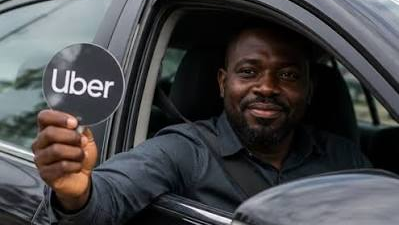
On September 2, 2026, Uber sent a notice to its Nigerian users announcing it was winding down operations in the country, effective immediately, after twelve years. The decision, part of a wider global restructuring that also saw the company exit Uganda, ended a run that started in Lagos in 2014 and briefly stretched to boats on the lagoon.
For most people, it meant one less app on the home screen. For creatives, whose work runs on constant, often unpredictable movement, it meant something closer to a disruption in infrastructure. We spoke to some Lagos creatives about what the loss of Uber actually looks like on the ground: late-night shoots without a reliable ride, equipment stuck waiting on unreliable dispatch riders, and the stress of adding one more unpredictable variable to jobs that already run on tight timelines.
TFA, Filmmaker
I think Uber leaving Nigeria is a very big problem, especially for creatives.
A lot of creative work requires you to constantly move around, whether it’s getting yourself to different locations, dispatching equipment, or quickly sending small items from one place to another. And Uber was one of those services you could just rely on. It was relatively affordable, convenient, and, most importantly, predictable.
With some of the other options, you sometimes have drivers cancelling, taking multiple trips, or just making the whole experience more stressful than it needs to be. With Uber, I felt like I could count on the majority of riders to actually take me where I needed to go without all that drama.
And then there’s the security aspect, especially as someone who works at events and can finish filming really late at night. Being able to book a ride and have that extra sense of security and accountability mattered a lot to me.
I actually felt the impact immediately. Just today, I needed to send a ride with some things to a location, and my first thought was, “Okay, Uber Courier.” Then I remembered Uber is gone. I had to use a different option instead, and honestly, it wasn’t a particularly smooth experience.
So yes, we’ll adapt… creatives always do. But it’s frustrating because transportation is not just a convenience for people like us. It’s part of how we get the work done.
Nancy, Video Content Producer
I felt a bit safer with Uber, especially at night. I come home very late at night after events and I have never had a positive experience with the other app at that time, but the Uber drivers were usually more level-headed, so I felt safe. What I’ll particularly miss is their courier service because I used it to send things around quite a lot and also for buying food from Jay’s Diner at night or my plugs who don’t deliver.
Morse, Creative Producer(Visuals, Events, Campagins)
Uber leaving is going to make post-production even more hellish. There’s a lot of movement that happens: sending things you rented, hard drives for event footage, all of that. Regular delivery riders are some of the worst service providers in Nigeria, they’ll take your thing and go all around Lagos before delivering it. But Uber had a way of curbing that, and they were better than the other apps at it.
Even before and during the shoot or event, there’s so much quick movement needed, whether it’s recce or something else. That usually requires having all the different ride-hailing apps open at the same time and picking the cheapest or the closest, which was usually Uber.
Leave a Reply