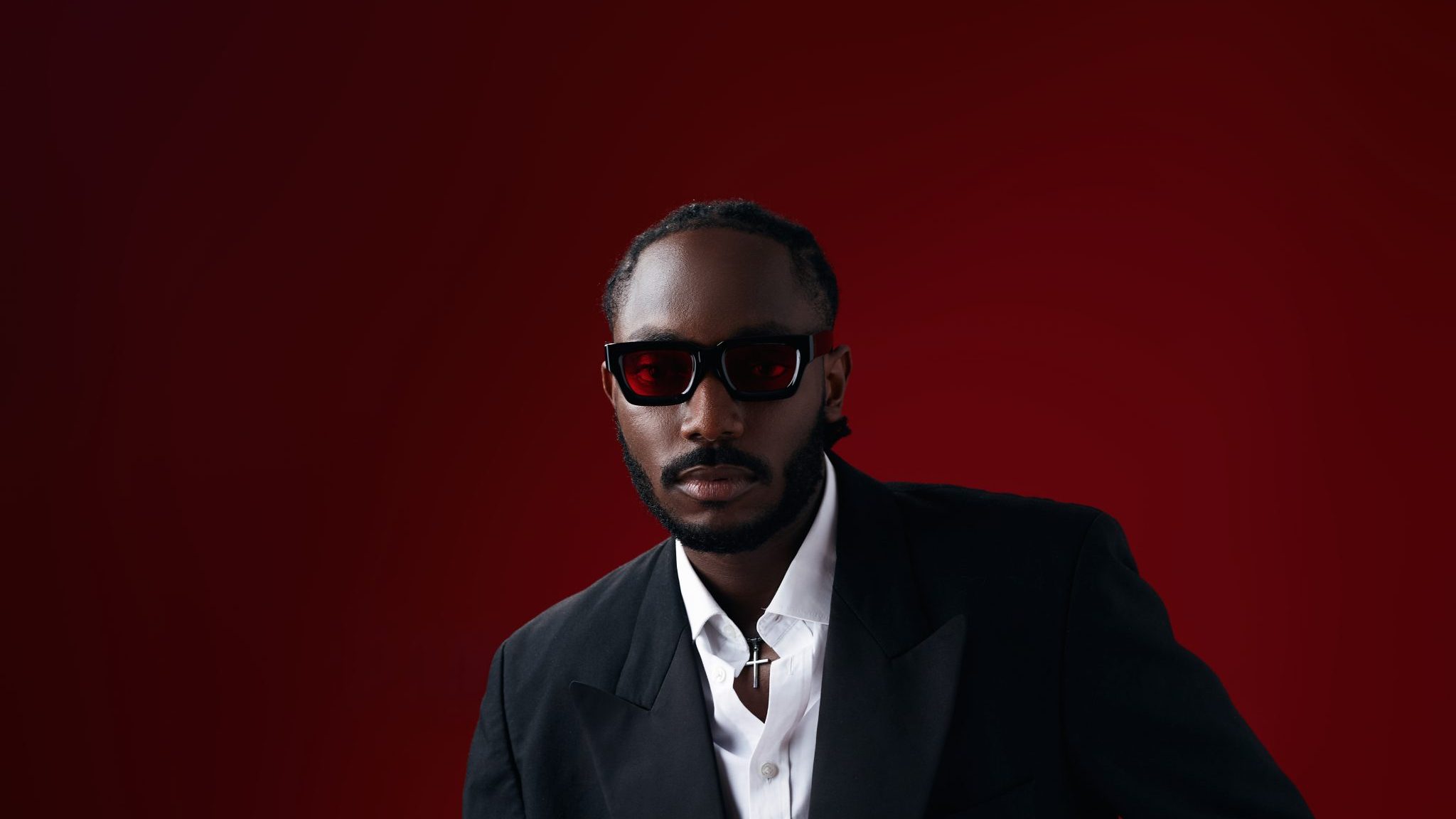
Saelem has never known a version of himself without music pouring out of him. He has been singing since he was eight years old, in the church choir he still performs in to this day. But the music that the world began to hear started somewhere specific: in grief. In 2020, after suffering a loss, he did what came naturally: he turned the feeling into a song. That song was his first-ever release, and it shifted something. “I realised I had something to say,” he says, simply, “when I began to hear people’s testimonies about the song.”
What followed that realisation is a body of work rooted in faith, built on honesty, and aimed squarely at people who have been through something. His project For The Lost Ones Who Found Jesus is not a title chosen for its catchiness. He considers it a testimony. Saelem was telling his own story when he named it, and every song on it reflects the same directness, the kind that comes from an artist who is not performing belief but living it. “Jesus saved me,” he says, “and I’m going to tell the world about Him through this music.”
This is a conversation about grief, purpose, almost quitting, and what happens when you keep going anyway.
Who was Saelem before the music started, and what was life like for you before people began to hear your sound?
I don’t think there has ever been a Saelem before the music. I’ve always been singing. I’ve been in the choir since I was about 8 years old, and I’m still in my youth church choir in RCCG.
What is the earliest memory you have of music being important to you, either in church, at home, or in school?
Music started becoming important to me in 2020. I lost a childhood friend, and I was moved to put my feelings into a song so I could always remember him. That was my first-ever release. It’s a song called ‘In the End’. Before that, I just used to sing to God and for myself.
When did you first realise this was more than talent and that you actually had something to say?
In 2020, after my first release, I realised I had something to say when I began to hear people’s testimonies about the song.
Your sound carries faith, hope, and redemption. Was that always your identity, or did something happen that pushed you into this kind of storytelling?
Yes, this has always been my reality. Jesus saved me, and I’m going to tell the world about Him through this music.
If you had to describe your sound to a first-time listener using only Nigerian foods as reference, what would you say?
Jollof rice, 1 meat, 1 pomo, 1 egg, just too good!
The title ‘For The Lost Ones Who Found Jesus’ is very specific. Who were you speaking to when you named it?
I was telling my own story.
What story does that project tell from start to finish, and what do you want listeners to feel when they finish it?
That EP is a story of redemption. Jesus indeed saves to the uttermost. He didn’t just save me and leave me; He saved me and gave me purpose, direction, and life. I want others to listen and come to Jesus so they can experience what I have.
Your music blends spirituality with contemporary sound. How do you balance making something meaningful while still making something people want to replay?
This creativity is what the Holy Spirit gives me. I wouldn’t say I have a particular way I go about it, but one thing I always do before I write is pray for inspiration from the Holy Spirit.
Christianity is becoming more visible in pop culture, music, fashion, and social media. How do you feel about faith becoming mainstream, and where do you personally draw the line between ministry and entertainment?
My whole life is worship to God. However, one thing the world needs more of is Christian entertainers, that is, Christians who are at the forefront of music, fashion, social media. Christian entertainers are the ones who should instil good and godly values into culture, thereby winning the souls of men for God. I believe people of the Christian faith can entertain and still worship God as well.
‘Pain Killer’ is a strong metaphor. What was happening in your life when you wrote it?
I was at a point where I wanted to quit music for a regular 9-to-5 job. I was a fresh graduate and wasn’t making much of a living from music, so I wanted to put music on hold and focus on making a living. But God met me there, and here we are.
In ‘Pain Killer’, you describe God as relief and medicine. Have you experienced a season where faith was the only thing keeping you steady?
Yeah. When I almost quit, God used some important people to encourage me, and that greatly helped my faith. The people you surround yourself with might be the reason you either fail or succeed. Be very intentional with your friends and your company.
‘From a Son to His Father’ feels intimate. Were you writing from an earthly father relationship, a spiritual one, or both?
I was writing to my spiritual father. However, I still love my earthly father, he’s my G.
What is the most personal song you have ever written, even if it is not the most popular one?
It has to be either ‘In the End’ or ‘Pain Killer’.
Afro-house and Afro-inspired electronic sounds are rising globally. What do you love about that sound, and what makes it powerful to you?
One thing about jumping on a trend is that if you can use it creatively, you’ll be at the forefront of that sound. The Bible calls us to be as wise as serpents and as gentle as doves. As children of God, we are to shine light in every space, and that sometimes calls for sharpness. So in this musical space, and at this time where these genres are gaining momentum, I’ll use them as well to shine my light to the glory of God.
If you could rewrite one song today with the person you are now, which would it be, and what would you change?
I don’t think there’s any song I’d rewrite. I’m not who I was, so those songs carry a version of me that once existed, and they help me measure growth. So I’ll leave them as they are.
What is one line from any of your songs that summarises your entire journey so far?
‘I know I don’t deserve another chance, but I know that if I fall into Your hands, I’m forgiven’.
Leave a Reply