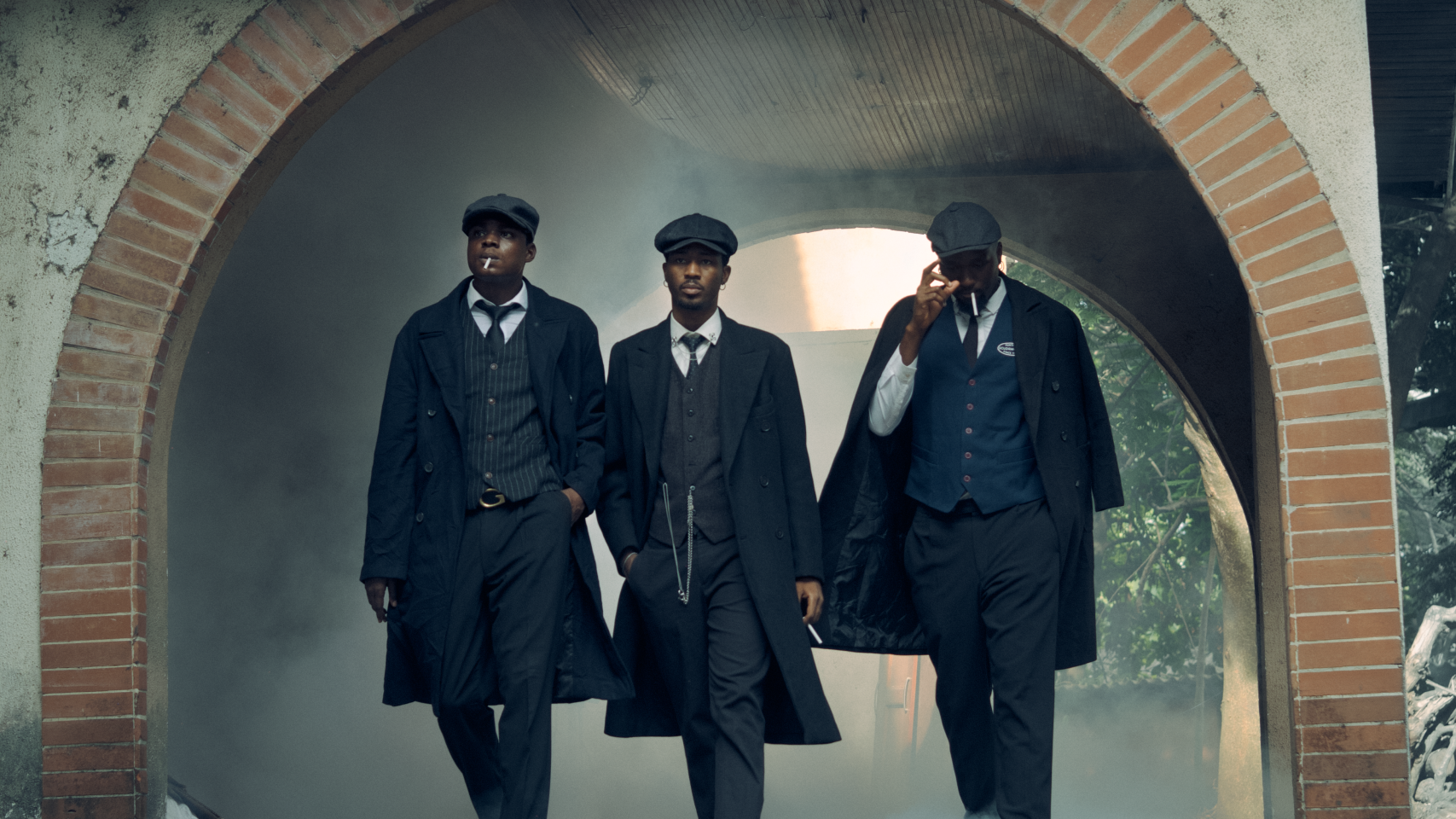
How did three different artists join forces to become a single, dominant force in Nigeria’s electronic music revolution? It started, as most good things, with community. Around 2019, Jamie Black, Sigag Lauren, and Calix began noticing something forming around them: a real movement of people who loved dance music. They found each other in that space and decided to build something together. The name they chose was Naija House Mafia, a deliberate statement of identity that put Nigerian ownership at the centre of a genre that the nation was only just beginning to claim as its own.
What followed has been one of the more interesting stories in the Lagos electronic scene. The trio, who started out as The Boyz before rebranding, built their flagship event (the aptly-named House Arrest) into a proper community with a distinct identity, a dedicated crowd, and a reputation for editions that feel truly different from anything else on the circuit. Their sound moved with them, shifting from a tech house foundation toward something more deliberately rooted in African rhythm and heritage as their confidence in their own lane grew. Records like ‘Fokasibe’ and the Ijoya collaboration with Weird MC established their voice early. ‘Chop Up’ and more recent releases have pushed it further.
In 2026, they released ‘Mafia Busine$$’, a five-track EP distributed through Café Riddim, WeTalkSound’s electronic music sub-label, that arrived as something close to a manifesto. Across the project, the trio flips classics by P-Square and Chuddy K through a house lens, draws on Fulani folk music, Nigerian percussion culture, and traditional rhythm, and stretches across Afro-house, Gqom, and 3-Step without losing the thread that ties all of it to Lagos. The EP positions them clearly: not as followers of a global trend but as architects of a distinctly Nigerian contribution to it.
We caught up with all three of them to talk about how it started, how it works, and where it is going.
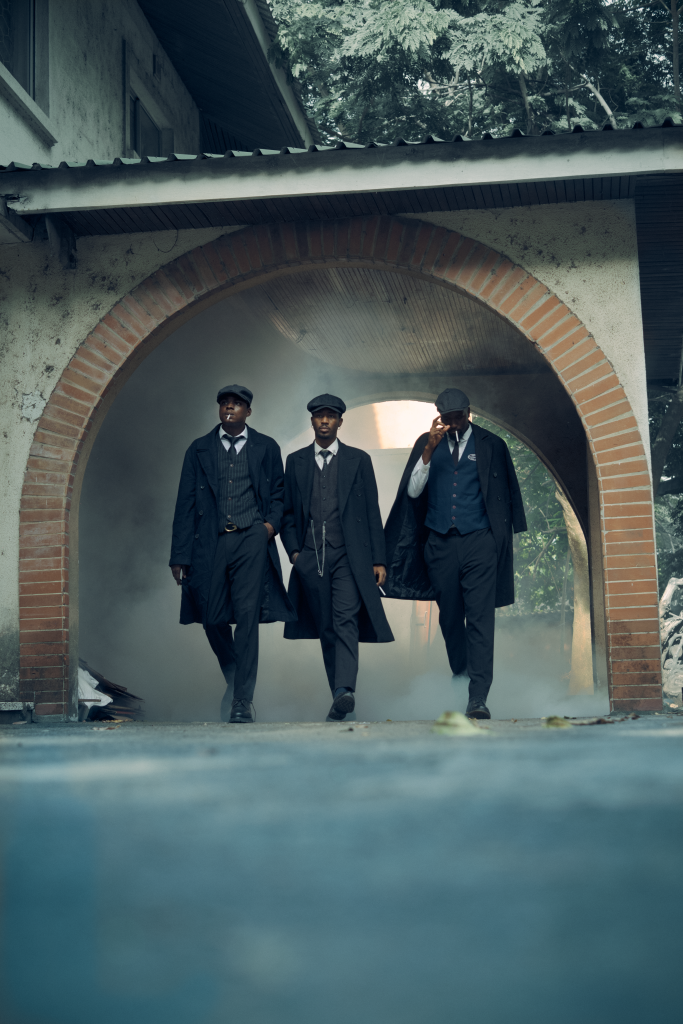
How did each of you find your way into house music? Was there one moment that clicked for all of you?
We all came into it differently, but around 2019, we realised there was a real community forming around dance music in Lagos. It really clicked once we saw people genuinely connecting through the sound and a WhatsApp group.
What does it mean to be a collective rather than solo artists? Why did you make that decision?
Being a collective makes everything more dynamic. Everyone brings different tastes, ideas and energy into the music and the sets. We’ve always felt NHM was bigger than one person; it’s about community and collaboration.
How do you navigate creative differences when you’re in the studio or on the decks?
A lot of arguing 😭 but in a good way. Usually, the music decides. If something feels right on the dancefloor, everybody eventually agrees.
The Lagos electronic scene is growing fast. Where do you see NHM within that landscape?
We see ourselves as one of the pioneers of this current movement. We came in during a period where the scene was much smaller, so seeing how far it’s come now feels special.
House Arrest is your headline event. What was the vision behind it, and how has it evolved?
House Arrest started as a space for people who genuinely loved dance music and rave culture to connect. Now it has evolved into a proper community with different themes every edition.
Being independent in Nigeria’s music industry, what are the biggest advantages and hardest realities?
The advantage is freedom: we can build our own sound and identity without compromise. The hardest part is definitely funding and infrastructure, because a lot of things still have to be built from scratch independently.
‘Chop Up’ and ‘Ijoya’ sound quite different. Talk us through the creative process behind each.
Those records were made when we were known as The Boyz. The idea behind both tracks was basically to turn both into tech house bangers, which we did.
You blend Afro-House, 3-Step, Tech House and Afro-EDM. How do you decide which direction a new track takes?
When we used to be The Boyz, it was mostly inspired by tech house. But since we rebranded to NHM, most of our influences are African dance genres.
African rhythms are at the core of what you do. Which specific rhythmic traditions or instruments do you pull from most?
A lot of it comes from Nigerian percussion culture generally: drums, chants, call-and-response energy, traditional rhythm and Nigerian Lamba.
When you’re performing a DJ set together as three people, how does the handoff work?
It’s instinctive at this point. Everyone kind of knows when to step in. Sometimes it looks chaotic, but somehow it always works.
What does a packed dance floor at Raveolution need to hear from NHM that they can’t hear from anyone else?
Energy, unpredictability and records that feel rooted in Lagos nightlife culture. Also, at least one reload.
If Naija House Mafia were a food, what would it be?
Definitely Banga Soup. Looks intense, tastes amazing and leaves people sweating.
Which one of the three of you is most likely to add a completely unhinged sample to a track?
Honestly, Sigag 😭.
If you could each play a back-to-back set with any DJ, living or dead, anywhere in the world, who’s on stage and where are you playing?
Sigag: Skrillex, probably at Tomorrowland.
Jamie: Martin Garrix, at Coachella.
Calix: Diplo, at Burning Man.
What’s the most “mafia” thing you’ve ever done at a show?
Probably play only music produced by the three of us.
You’re locked in a studio with unlimited food and one artist outside your genre. Who are you calling?
Someone like Burna Boy, Skepta or even Angelique Kidjo. It would probably become some chaotic Afro-electronic project with drums, chants and club records everywhere.
Leave a Reply