
Seyi Vibez has spent the better part of a decade being the kind of artist the music industry does not fully know what to do with. Not because the talent is questionable, but because the talent refuses to sit where it has been put. Undeniable in his lane, restless enough to keep testing its edges, and loyal enough to a sound and a story that his core audience would follow him anywhere. “SWAGUU” is what happens when all of that finally lands in the same place at the same time.
To understand why this album matters, you have to understand the journey that brought it here.
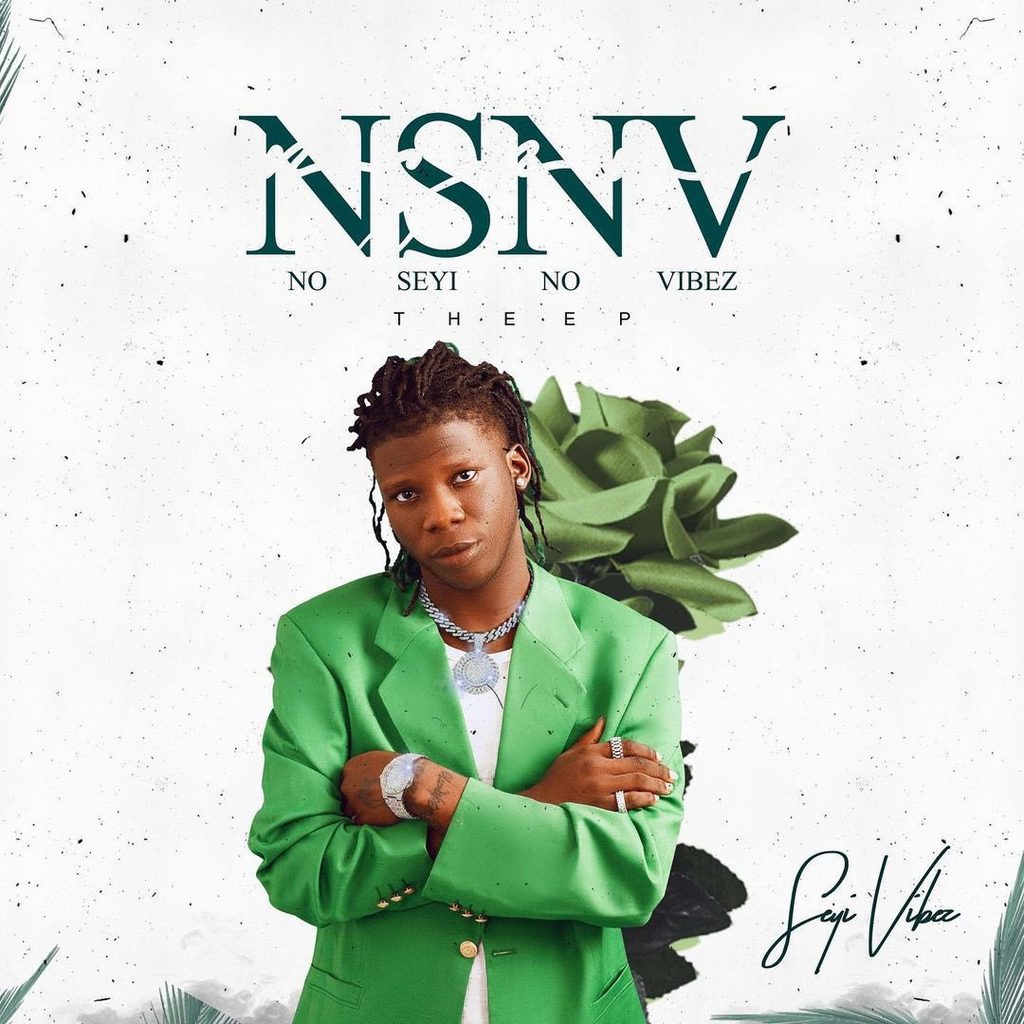
From NSNV to Billion Dollar Baby, through Memory Card, Vibe Till Thy Kingdom Come, NAHAMciaga and the rest, Seyi Vibez built a catalogue around a very specific emotional frequency. The streets, the struggle, the survival and all of that grind. His music spoke directly to the young kid from the slum who was still in it and to the one who had come out of it and never fully forgotten. He had it. The ability to make a hardcore record and a deeply emotional one in the same breath, the lyricism that connected not just sonically but spiritually to a particular Nigerian experience. His fan base was not an audience. It was a community held together by recognition.
Then came FUJI MOTO, where he pushed further into Western influences, experimented with international sounds, and somewhere in that experiment lost the thread that had always made him magnetic. The project had moments: “Pressure” proved he could operate outside his lane with real conviction, and the Olamide-assisted Fuji Party was a genuine highlight. But on balance, it felt distant from the thing that made people love him in the first place. Not a failure. A necessary step in the wrong direction that helped him find the right one.
SWAGUU opens in familiar territory. “Volume” is Seyi in his calm, assured mode, the kind of track that reminds you of his range without demanding your full attention immediately. “GTA,” already a fan favourite before the album dropped, does exactly what it is supposed to do. “Diamonds” keeps that same steady energy. These early tracks are Seyi moving through his comfort zone with the confidence of someone who knows exactly where he is going.
Then “Melanin” arrives and the tempo shifts. “GOD” follows, and it is Seyi in full bag mode: local instrumentals, heavy production, and that familiar ‘Yo Dibs’ tag that signals one thing: move your body. “Pansa” does exactly what fans expected the moment they heard it was on the tracklist. Dance!
The album’s most surprising and rewarding moment is “Ilome,” produced by Larry Lanes. If the earlier tracks represent Seyi’s strength, Ilome represents his depth. There is a spiritual quality to the writing and the instrumentation that sits differently from anything else on the project. He does not perform vulnerability on this one. He inhabits it. It is the bridge of the album in the truest sense, the point where the music stops flexing and starts feeling.
“Back 2 U,” which was pre-released as a single, is the one moment where the album reaches for new territory the way FUJI MOTO did. The honest question is whether it connects, and the honest answer is that it struggles to, even with listeners open to a different version of Seyi. The attempt is not a flaw. The man cannot be faulted for trying. But it is the one track where the album loses its footing briefly before finding it again.
Alafia, El Jaja, Alubarika, Akpan Akpari, and Oble represent the strongest run on the album. These are tracks built for parties, for raves, for the kind of joyful communal listening that Seyi’s music has always been capable of at its best. That three-track arrangement in particular deserves to be called what it is: a hat trick. They do not overstay their welcome. They arrive, do their job, and leave you wanting another round.
The album closes with a Quavo feature that works well enough as an outro without demanding anything dramatic from either artist. It is a good track. Nothing more is needed from the last song on an album this confident.
SWAGUU is executively produced by Burna Boy, and that context matters. There is a specific attention to sequencing and sonic cohesion across the project that suggests hands beyond just Seyi’s own shaping how the album feels as a full listen. Whether that influence shows most in the quieter moments or the harder ones is worth a deeper listen. But the collaboration clearly worked.
Is this Seyi Vibez’s best album? It is a legitimate argument to make. It might also be an argument shaped by how long his core fans have been waiting for this version of him to come back. When you have been starved of something you love, the return of it hits differently than it would have otherwise. What can be said without qualification is that SWAGUU is the most complete version of Seyi Vibez we have heard on a single project. The range is here. The lyricism is here. The roots are here. And the parts of him that have been reaching for something bigger are present too, not fighting with the rest of the album but coexisting with it.
He found the balance. Finally.
Leave a Reply