When people talk about Nigerian rap history, the conversation almost always starts in the 90s and early 2000s. It starts with artists like Junior & Pretty, The Remedies, Da Trybesmen, Thoroughbreds, Weird MC and Modenine, who helped Nigerian hip-hop stand firm in the flourishing music scene.
But here’s the thing: Nigerian rap didn’t magically appear in the 90s.
Long before rap became a recognizable industry lane in Nigeria, there were already artists experimenting with the rap: rhyming cadences, spoken delivery, funk-driven beats, and early hip-hop influences.
Not in the “bars bars” way we know today, but in that early form where rap was still fused with funk, disco, boogie, and the Nigerian party spice. Some of these records were pressed on vinyl, circulated modestly, and basically disappeared into collector culture, but they’re proof that Nigerian rap didn’t just appear out of nowhere.
Here are some of the earliest Nigerian rap (or rap-flavoured) records from the 80s.
16. Sound on Sound — I’m African (1988): A late-80s rap-leaning record that feels more like a statement than a party gimmick. The title alone shows early signs of the identity-driven themes Nigerian rap would later embrace.
15. Gee Tagbas — Rap Dazz (1986): One of those songs that wears its rap influence proudly — even the title is basically an announcement. It captures that era when “rap” was still new enough to feel like a novelty.
14. Judy Nackix — If I Have the Time (c. 1986): An important reminder that women were also part of Nigeria’s early rap experiments. Judy’s presence alone challenged the idea that rap was “for the guys.”
13. Rick Asikpo — Beat Jam (1986): A groove-heavy record that leans into rhythm and break-style energy more than lyricism. It sits in that early hip-hop space where beats and dance culture mattered just as much as bars.
12. McDormett — Let’s Hear the Funk (1986): A funk-forward track that shows how early Nigerian rap influence often came through disco/boogie production. It’s part of the DNA that made rap feel natural in Nigerian party music.
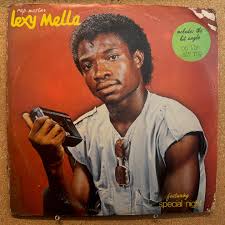
11. Rapmaster Lexy Mella — On The Air Rap (1985): One of the most direct early Nigerian “rap” records, down to the title. It’s an example of an artist clearly trying to plant a flag in the genre.
10. Mike Umoh — Do It (c. 1985): A mid-80s dance record with rap-adjacent delivery, built for the club era. It reflects the period when Nigerian pop was absorbing global trends in real time.
9. I.C. Rock — Advice / Oge Chi Ka Nma (1985): Notable for blending rap-style delivery with Nigerian cultural identity, even in its bilingual title. It hints at the multilingual direction Nigerian rap would later take.
8. Kingsley Bucknor — You Gotta Keep On Luvin’ Me (Extended Re-Mix Version) (1985): Extended mixes like this created space for rhythmic spoken delivery and experimentation. It’s a good example of how rap influences sometimes lived inside club remixes.
7. Super Doeths — Super Doeths (1985): A rare vinyl-era entry that shows how many early rap experiments existed outside mainstream memory. It’s one of those “deep cut” records crate diggers love.
6. Dili I. Jukson — Rapp and Checkout Music (c. 1985): A time capsule from the era when artists were openly branding songs as “rap.” The title suggests rap itself was part of the selling point.
5. Oby Onyioha — Break It (1984): Not pure rap, but often included in early Nigerian hip-hop conversations because of its breakbeat/dance energy. It shows how rap culture entered Nigeria through movement as much as music.
4. Timi Gawi “3” — Boxing Rapping Show (c. 1984): A performance-style record that treats rap like a show concept, not just a genre. The title alone captures how experimental early rap was in Nigeria.
3. Dizzy K. — Saturday Night Raps (1982): A disco-era track that openly flirts with rap cadence and delivery. It’s proof Nigerians were already trying rap long before the 90s boom.
2. Mams & Hart — Pump (1982): An early dancefloor record that sits in Nigeria’s boogie/disco era, with rap influence in its energy and delivery. A snapshot of how rap seeped into pop music early.
1. Ronnie — The Way I Feel Rap (1981): If you want the real “start here” entry, this is it. It’s often referenced as one of the earliest Nigerian recordings that openly positioned itself as rap.
So yes, Nigerian rap didn’t start with the 90s boom, it didn’t even start with the late 80s breakdance wave. The seeds were already being planted on vinyl in 1981.
It means Nigerian rap didn’t suddenly arrive when it became popular. It existed in fragments long before it became an industry lane. In the 80s, rap in Nigeria was still mixed into funk, boogie, disco, and performance music. And by the time the 90s came around, when Junior & Pretty, Remedies, Da Trybesmen and the rest started shaping what we now call Nigerian hip-hop, they weren’t creating something from scratch. They were building on a foundation that had already been quietly laid in the grooves of vinyl records.
Leave a Reply