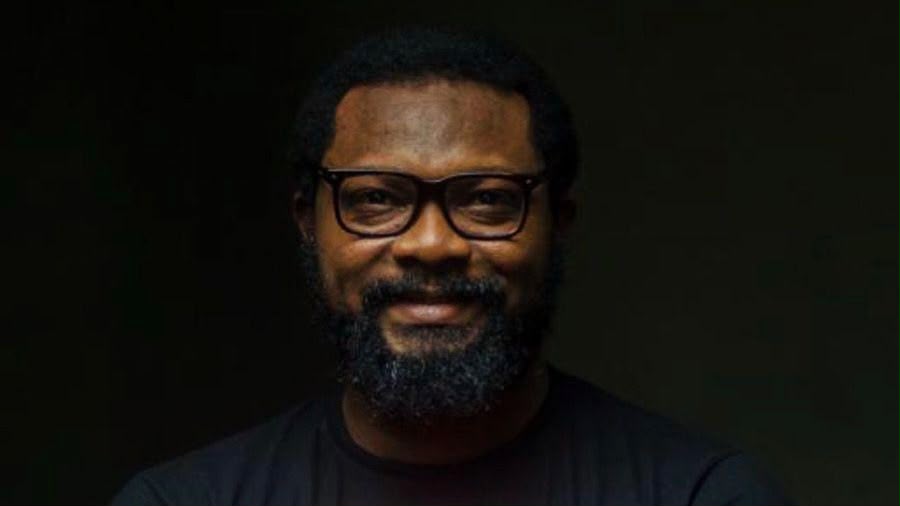
“We are not selling tickets to make money,” Kayode Adebayo told me, about a tour whose cheapest ticket I found for ₦2,000. That sentence is either a smart way to fund a business or a polite way to explain thin box office, and the next four weeks will show which.
The bigger question underneath it is the one that matters. Can CKROWD turn African live music from an informal, risky business into an infrastructure-backed industry? Has it already? No. Not yet, but what it has done so far is start in the right order.
Infrastructure is what people build on without thinking about who built it. Adebayo’s reference points are UPS and Amazon Web Services, and his model is Live Nation: a promoter plugs in and finds financing, insurance, micropayments, sponsorship, certification and talent already waiting. That makes CKROWD less a product than an ecosystem of products serving one purpose, infrastructure for live entertainment on the African continent. So the test is not whether CKROWD can run a good show. It is whether somebody else’s show can run on CKROWD.
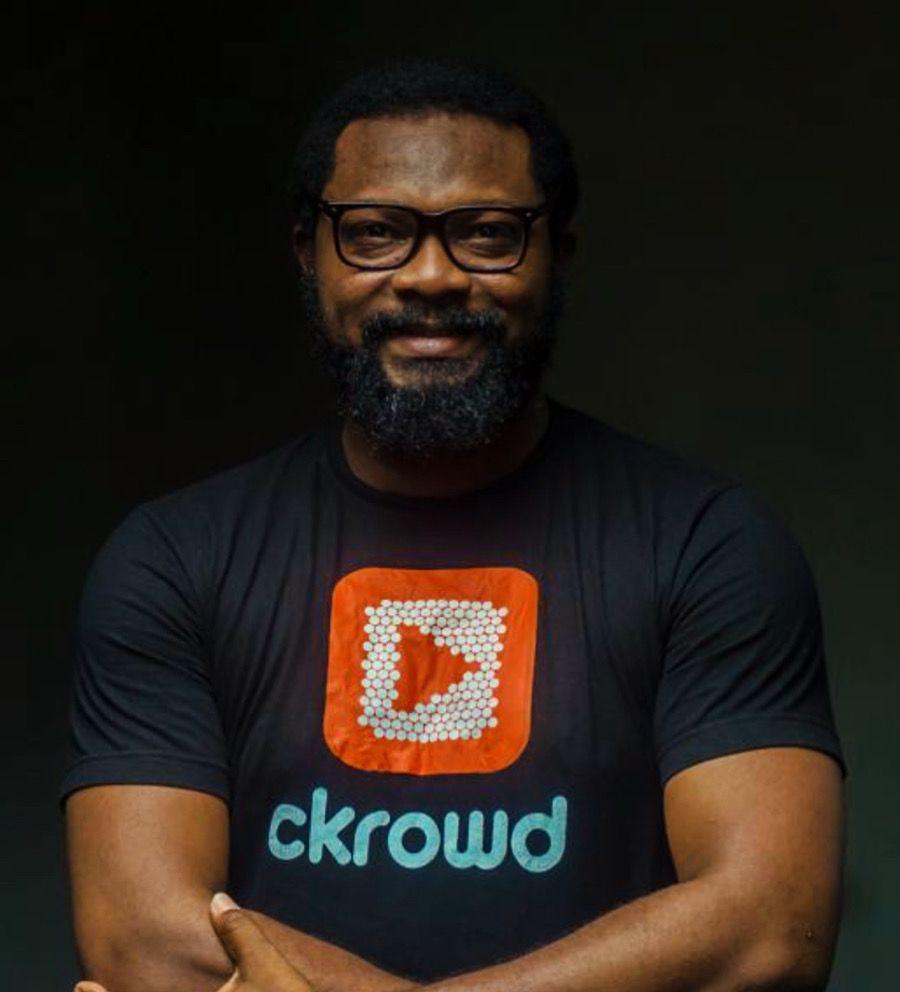
Today the evidence is one client and one tour, though SanlamAllianz has committed to a two-year partnership agreement rather than a one-off deal. SanlamAllianz is paying CKROWD to build a live entertainment property for students, from the logo and merchandise to a talent hunt in each city. The insurer wants customers who will matter more after graduation than they do now, plus data and a pipeline of student agents. It is a real answer to the economics problem. A ₦2,000 student ticket cannot carry a three-city production, so the sponsor does. In a market where ticket revenue is thin, that is sensible. It is also, for now, closer to a brand-experience agency with strong software than to rails any promoter can ride, and the difference matters.
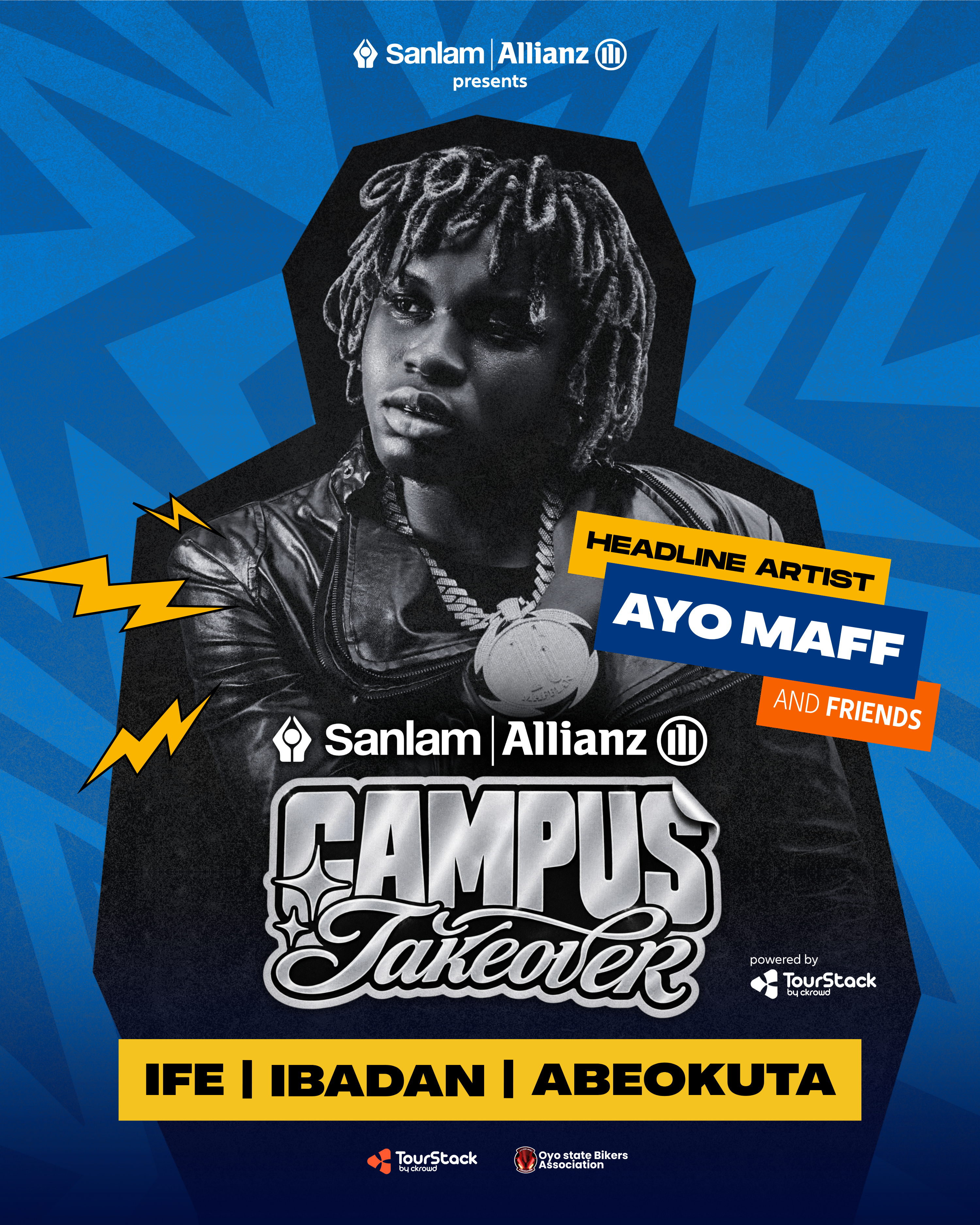
Ayo Maff is where the thinking becomes visible. Adebayo says the team checked Spotify and YouTube to see where his listeners actually are, found the Southwest and a largely student audience, and chose to leave Lagos on purpose. The target is five to seven thousand people per city. At those numbers, three nights in Ile-Ife on November 14, Ibadan on November 21 and Abeokuta on November 27 mean somewhere between fifteen and twenty-one thousand people. Then he admits Ayo Maff might not fill seven thousand on his own, and that is the part I trust most. A hunch does not come with a stated target and a concession. An experiment does. Whether a student price and a bandana-wearing crowd fill those rooms will be the first public result CKROWD gets.
The boldest piece is the insurance baked into the ticket. Informal live music runs on handshake risk, where a stage collapses or a crew member gets hurt and the bill becomes personal. Adebayo wants promoters, artists, the lighting and sound crews, stage builders and ticket sellers covered so that it does not. That is how risk gets priced. But insurance only earns trust when claims are paid. What the cover actually pays out, who handles claims and whether a student knows they hold it did not come up in our conversation, and I could not find it in the public material either.
The data argument is the cleverest and the least proven. Banks and institutional investors stay away, he says, because live entertainment is built on vibes, so a promoter finishes, the stage comes down and nothing lingers. Ticket and audience data become the risk assessment that lets a lender finance a tour. It is a sound loop. But three shows are a small sample, and a lender wants history across many promoters and many years. The site lists Access Bank among its partners, and Adebayo describes an MOU. An MOU is not a loan. By his own measure, the win is banks wanting to fund touring, and that has not happened in public yet.
There is also the question of how clearly that ecosystem reads from the outside. Open ckrowd.com and you find a platform for hiring vetted African music professionals, with figures claiming tens of thousands of verified profiles. Open Instagram and you find TourStack and a campus tour, along with a separate @ckrowdbusiness account. The company has already changed shape once, from a streaming platform that hosted Yinka Ayefele’s digital world tour. Adebayo describes layers, and the layers are there, but a stranger still has to assemble them into one picture. For something whose first requirement is that people understand what to plug into, the pieces need to read as one ecosystem from the first click, and that is still work to be done.
So what would turn the answer into a yes? A promoter who is not CKROWD running a show on TourStack. Insurance claims that are paid and published. A bank financing a tour using that data. A client beyond SanlamAllianz that renews. And a plain statement of who owns the information the students in each room generate. None of these needs a unicorn. Each one would be proof that the thing keeps working when CKROWD is not the one holding it up.
Adebayo’s own line is the best yardstick. Nothing lingers after a promoter goes home. Infrastructure is whatever is still standing when the stage is gone: a claims record, a dataset, a financing precedent, a second customer. Ayo Maff will bring the crowd. The three nights will show whether any of that stays. Until then the honest answer is not yet, though a Nigerian tour being planned from listener data, with an insurer and a bank’s name attached, is already a break from the rinse and repeat he describes.
Leave a Reply