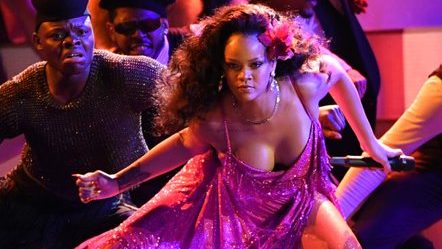
Dance is one of the oldest forms of human expression. Long before people wrote history down, they were already using movement to communicate identity, emotion, celebration, spirituality, and even resistance.
And what makes dance especially powerful is that it travels fast. You don’t need to understand a language to understand rhythm, posture, confidence, or joy. A dance can jump from one country to another in weeks, sometimes days (thank you, TikTok!) and still carry the cultural fingerprint of where it came from.
In honour of International Dance Day, here’s a look at the origins of some of the world’s most iconic dance genres, along with traditional African dances and Nigerian dance fads that shaped pop culture across the continent.
Ballet
Origin: Italy (1400s), later formalised in France (1600s)
Ballet began during the Italian Renaissance, where aristocrats hosted elaborate performances as part of royal celebrations. It was one of the ways the elite displayed prestige, refinement, class, and control.
When ballet spread into France, it became more structured and technical, developing the strict rules that still define it today: posture, alignment, discipline, and precision. Over time, ballet became one of the most influential dance foundations in the world, shaping stage performance and inspiring movements in modern choreography.
Fun fact: Ballet started as social court dancing, and early ballet performances were mostly done by men.
Contemporary Dance
Origin: Europe and the United States (early 1900s)
Contemporary dance grew from rebellion. In the early 1900s, dancers began pushing back against ballet’s strictness. They wanted dance that looked and felt more human, something that could express emotion, imperfection, and raw storytelling.
This shift created space for dance to become experimental. Instead of prioritising symmetry and perfection, contemporary dance leaned into fluid movement, dramatic expression, and choreography influenced by theatre and modern art.
Today, contemporary dance remains one of the most widely used styles in stage performance, competitions, and modern music video choreography.
Ballroom Dance
Origin: Europe (1700s–1800s)
Ballroom dancing developed through formal European social gatherings where partner dancing was part of high society life. It reflected etiquette, social rules, and status.
Over time, ballroom dancing became standardised and later evolved into competitive formats. It has several types:
- Waltz
- Viennese Waltz
- Foxtrot
- Quickstep
- Tango
Fun fact: Waltz was once considered scandalous because partners danced too closely.
Salsa:
Origin: Caribbean influences + New York City (mid-1900s)
Salsa is one of the clearest examples of dance as cultural fusion. It draws heavily from Afro-Caribbean rhythms and traditions, especially from places like Cuba and Puerto Rico, but gained its modern identity through Latin immigrant communities in New York.
In New York, salsa became part of a thriving club culture. It grew through live music scenes and social dance spaces where people gathered not just to dance, but to preserve cultural identity far from home.
Fun fact: It is one of the most popular partner dance genres in the world.
Breaking (Breakdancing):
Origin: Bronx, New York City (1970s)
Breaking developed as a competitive street dance style, often performed in dance battles. Instead of physical violence, dancers competed through creativity and athletic skill: footwork, freezes, spins, and acrobatics.
Breaking became popular partly because it was dramatic and visually impressive, but also because it carried the spirit of hip-hop culture: innovation, confidence, and community pride.
Today, breaking is practised worldwide and is one of the most recognisable street dance forms.
Fun fact: Breaking is now an Olympic sport.
Vogueing:
Origin: Harlem, New York City (1980s)
Vogueing originated within Black and Latino LGBTQ+ ballroom communities in Harlem. Ballroom culture created a safe space where queer people could express identity, confidence, fashion, and performance in a world that often excluded them.
Vogueing is known for its sharp, stylised movements, dramatic posing, and runway-inspired attitude. While it later entered mainstream pop culture, its origins remain rooted in community resilience and self-expression.
Fun fact: Vogueing was inspired by fashion magazine poses and runway modelling.
Traditional African Dance:
Bata Dance
Origin: Southwestern Nigeria (pre-colonial era)
Bata dance is deeply tied to Yoruba bata drumming traditions. The bata drum is not simply background music, it often controls the pace and structure of the dance.
Bata performances have historically appeared in cultural and spiritual ceremonies, and the dance remains one of the most recognisable Yoruba performance traditions today.
Atilogwu
Origin: Southeastern Nigeria (1900s)
Atilogwu is one of Nigeria’s most famous traditional dances, widely recognised for its energy and athleticism. It became strongly associated with youth performance groups and cultural festivals.
Atilogwu is known for its acrobatics: jumps, flips, and coordinated movement that often feels like dance mixed with gymnastics.
Etighi
Origin: Cross River State, Nigeria
Etighi is a traditional dance from Cross River, performed at cultural celebrations and events. It is known for controlled footwork, graceful posture, and rhythmic waist movement.
Etighi is often performed in groups and remains one of the cultural dance identities of Cross River communities. It was popularised nationwide in 2013 with the release of Iyanya’s hit song, Kukere.
Afropop Dance Trends
Azonto
Origin: Ghana (early 2010s)
Azonto became one of the defining African dance fads of the early 2010s. It rose from Ghanaian street dance culture and spread rapidly through music videos and social media.
One of its most distinctive traits is that many Azonto moves imitate everyday actions: texting, washing clothes, greeting someone, driving, or looking in a mirror. It blended humour with rhythm, making it easy to copy and impossible to ignore.
Shoki
Origin: Nigeria (2013–2014)
Shoki rose during a Nigerian pop culture era shaped heavily by street sound, club energy, and dance-focused music videos. It originated from the youth in Agege, Lagos and was popularised when three artists: Dre San, Lil Kesh, and Orezi, all released songs with the dance as the central theme.
Shoki quickly became a nationwide party staple and one of the most recognisable Nigerian dance fads of the decade.
Skelewu
Origin: Nigeria (2013)
Skelewu became popular in the same era that Nigerian pop music was becoming increasingly visual, with dance playing a major role in how songs were marketed. Davido tapped into the wave with the song of the same title, featuring the dance.
Its popularity grew so quickly that it turned into a dance challenge moment, with people recreating and remixing the moves in their own style.
Fun fact: Skelewu became so viral that it inspired a widely recognised “Skelewu competition” online.
Shaku Shaku
Origin: Nigeria (2017)
Shaku Shaku rose through Nigerian street dance culture and became one of the defining trends of the late 2010s. It came from the same Agege movement that brought us Shoki. It is seen as the predecessor of the “legwork” era, where Nigerian dance styles became heavily focused on footwork, groove, and street rhythm.
The dance exploded into mainstream pop culture through music, street performances, and social media visibility, becoming a party favourite almost overnight.
Gwaragwara
Origin: South Africa (mid–late 2010s)
Gwaragwara became popular through South African club culture and later spread internationally through viral dance challenges and music video choreography. It was made popular by South African musician, DJ Bongz.
Its distinctive shoulder-driven movement style made it easily recognisable and highly repeatable, which is one of the key reasons dance fads travel so quickly across borders.
Tshwala Bam
Origin: South Africa (2023–2024)
Tshwala Bam is one of the newest African dance trends to go global. It emerged from South African amapiano dance culture and quickly spread through social media, especially TikTok and Instagram reels.
The dance is built around a distinctive leaning motion, controlled squats, and rhythmic groove, the kind of movement that’s simple enough for people to attempt, but hard enough to make the best dancers stand out. Like many viral African dance fads, Tshwala Bam travelled fast because it was visually recognisable, highly repeatable, and tied to a sound that already had international momentum (the song by TitoM and Yuppe).
Leave a Reply