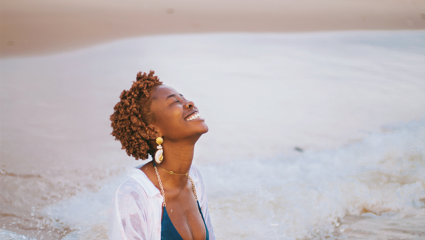
On Tarkwa Bay, where Lagos feels a little further away and the ocean sets a slower pace, Sunset Haven has become a place for people to escape, connect and simply exist. Two years after opening, the eco-tourism and hospitality space has grown from an idea into a community of campers, creatives, friends and strangers who keep returning for different reasons.
Founded by Oluwatosin Okedeyi, whose journey into hospitality began with journalism, tech marketing and a fascination with experiences that bring people together, Sunset Haven was never intended to be a traditional resort. From lie-down cabanas and recycled hammocks to solar-powered operations and locally sourced supplies, it is built around a different idea of what a getaway can look like: less pressure to do, more room to be.
As Sunset Haven marks its second anniversary, we speak with Oluwatosin about building a business on an island, creating space for rest without promising to fix everything, navigating the realities of beach life, and growing without losing sight of the community that made it possible.
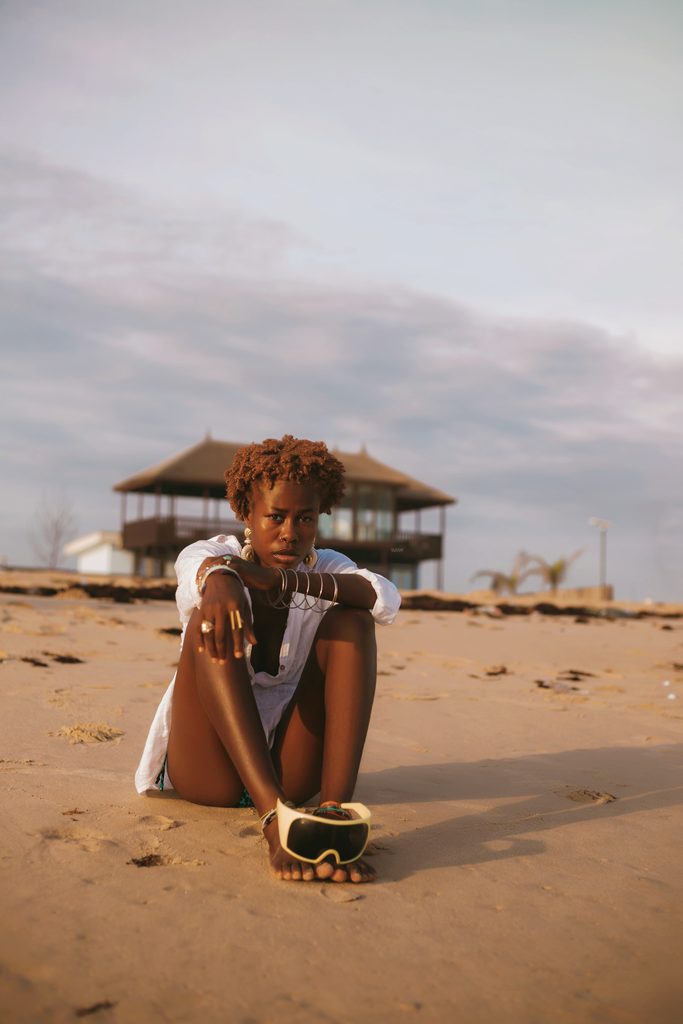
Where did you grow up, and what is your earliest memory of the beach? Were you always someone who built spaces for other people?
I grew up and went to school in Abeokuta, Ogun State, so my earliest memories of the beach came from TV and my mother’s stories about the great Bar Beach. My first real encounter with a beach was at 22.
I wouldn’t say I always knew I wanted to build spaces for people, but I’ve always been drawn to experiences, people and the things that bring them together. Creating spaces wasn’t a childhood plan; it happened organically through my interests in culture, marketing, community and tourism. Before hospitality, I worked in journalism and tech marketing, so my relationship with creativity and building was very different.
Over time, I became more interested in creating experiences that let people slow down and connect with others and with nature.
Living on the island has also changed my relationship with the beach. It’s no longer somewhere I visit for a weekend or a holiday; it’s home. I’ve come to appreciate its quieter, less romanticised side just as much as the sunsets.
What was the moment you decided Sunset Haven had to exist, and what were you doing right before it?
Sunset Haven was born from a realisation that people needed a different kind of escape.
I had spent years building experiences through Tarkwa Bay Lifestyle, introducing people to the island and curating camping events on and off the beach. I constantly saw how much people enjoyed being away from the noise of Lagos, even for a few hours. I started wondering what it would look like to let them stay a little longer, disconnect a little deeper, and experience the beach differently.
I was also becoming more interested in the relationship between nature, creativity and rest. We live in a world where everyone is constantly trying to do something, achieve something or be somewhere. I wanted to create a space where people didn’t have to perform or have an agenda.
Sunset Haven wasn’t just about building a camping resort; it was about creating an environment that encourages people to slow down and reconnect with themselves.
Where did the name come from, and has your sense of what “haven” means changed after two years of guests?
The best sunsets I have watched were on this side of the beach, so when I got the chance to create something here, I wanted to put that experience in focus. “Haven” came from wanting the place to feel like home to everyone who visits. I tried a few other names that meant the same thing with friends, and the majority picked Sunset Haven.
The meaning of “haven” has definitely evolved for me. At first, I understood it as a place of escape, somewhere people could get away from the city and enjoy nature. After welcoming so many different people, I’ve realised it means something different to everyone. For some, it’s a romantic weekend away; for others, it’s time with friends, a community-bonding moment, a birthday, a rave, camping for the first time, or simply sitting by the ocean without thinking about work.
We’ve had people visit during life transitions, people looking for inspiration and people who just need to breathe. It has made me understand that a haven isn’t about the physical structure you build; it’s about how people feel in the space.
That’s what Sunset Haven has become for me: a place that permits people to experience life at a slower pace, or however they choose.
You’ve described Sunset Haven as a clean break from Tarkwa Bay Lifestyle. Without revisiting the hard parts, what did you carry forward and what did you deliberately leave behind?
Every new chapter should have the chance to define itself.
Tarkwa Bay Lifestyle was an important part of my journey. It introduced me to the hospitality industry and taught me how to work with communities, curate experiences and, most importantly, understand what people look for in an experience. I carried those lessons, those relationships and my knowledge of the island with me.
What I left behind was the expectation that the next thing had to continue the previous one.
Sunset Haven needed its own identity, philosophy and way of doing things, with a clearer focus on hospitality, camping, nature, rest and creative community.
I’ve also become more intentional. I’m less interested in creating something that simply attracts attention and more interested in building something with meaning, longevity and a positive impact on the people around it.
So, in many ways, I carried the experience forward but gave myself permission to start again.
Think back to your first weekend open. What does a typical Saturday look like now by comparison?
On our first weekend, we had just one guest. She had been asking when we would be ready to host, and I told her we would open that weekend, on Saturday, but she wanted to arrive on Friday so she could spend several days. We were still putting the finishing touches on the cabana when she came. On Saturday, we also had a couple of walk-ins.
There is a certain vulnerability in opening something you’ve imagined and worked so hard to create. You can plan everything, but until people walk into the space, you don’t know how they will experience it. I still can’t get over the fact that our first guest had such a great time that she made a video about it, and it went viral almost immediately. It validated what I had created.
Today, Saturdays have a life of their own. There’s a mix of people arriving for different reasons: some come to camp, some to enjoy the cabanas and hammocks, some for a group experience and others simply to spend a day by the water.
There’s a rhythm to the space now. The team knows what needs to happen, guests settle into their own experiences, and a sense of community develops throughout the day. Sometimes it’s busy and full of energy; other times it’s incredibly laid-back.
What I enjoy most is watching people arrive with all the energy of Lagos and gradually settle into the slower rhythm of the beach. That’s the transformation I love watching.
Which design choice did people doubt early on that they now love, whether the lie-down cabanas, the hammocks or the DIY look?
I’d say the entire relaxed, DIY approach to the space.
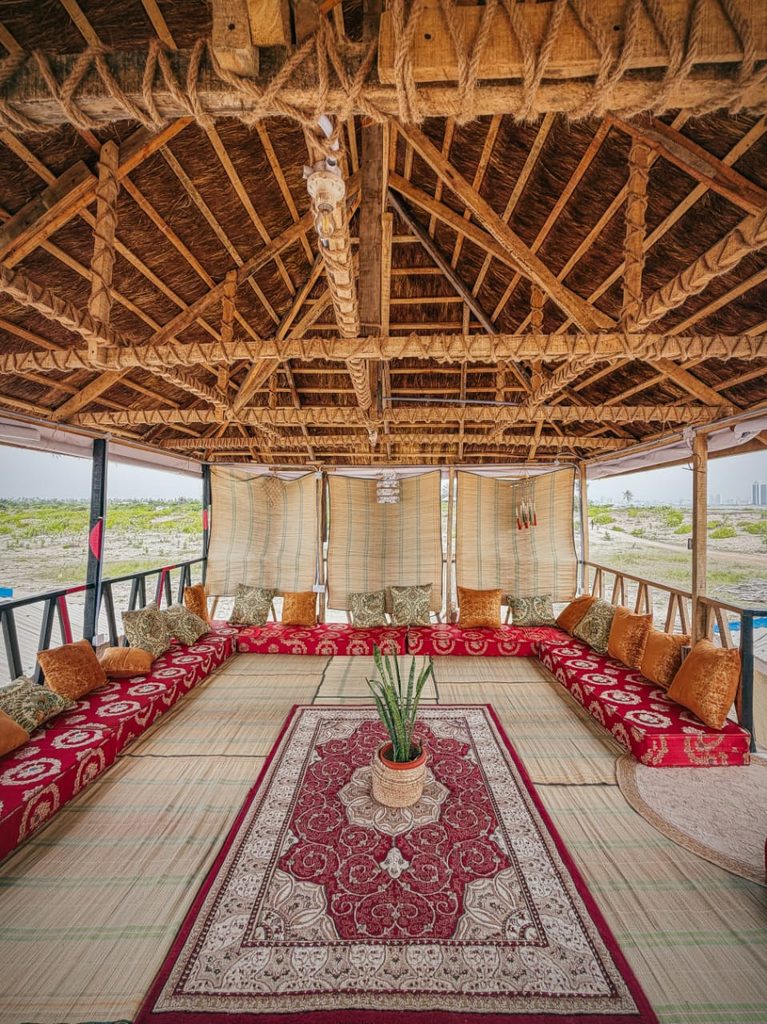
We didn’t want a traditional luxury resort where everything felt too structured or polished. We wanted something natural, comfortable and connected to its environment. The lie-down cabanas instead of chairs, and recycled hammocks are a big part of that; they’re intentionally designed around doing very little.
People are so accustomed to hospitality spaces telling them what to do that the idea of simply having somewhere comfortable to lie down, read, listen to music or watch the ocean can feel unusual. But that’s exactly the point. I’ve always wanted Sunset Haven to be a place where you can arrive, take off your shoes and just exist.
I love that some of the simplest things in the space have become the most appreciated.
Fun one: what song sounds most like Sunset Haven to you, and how do you rest when you’re off the beach?
I’d give Sunset Haven the soundtrack of “Lovely Day” by Bill Withers. It captures the uncomplicated happiness I want people to feel here: no pressure, no rush, just being present and appreciating where you are.
As for how I rest, I’m still learning to do that properly! Running a hospitality business means that even when you’re not physically in the space, you’re still working. Guests are around, and any small thing that goes wrong can affect their experience, especially the weather, which we can’t control. You’re always thinking about operations, the team, maintenance, bookings and the next thing that needs attention.
So, for me, rest is being able to switch off that part of my brain. Sometimes it’s quiet time and taking things slowly, camping with a few select friends somewhere far from civilisation, or leaving the country for a few days.
It’s something I’m continuously learning from building a place that encourages other people to rest.
Has a creative community formed around the space? Have any songs, artworks, collaborations or friendships started on your beach, and who are the regulars?
Absolutely. A creative community is one of the things I hoped Sunset Haven would naturally become.
I’ve always been interested in creating environments where people can meet outside the usual settings. Some of the best conversations and collaborations happen when people aren’t in a boardroom or at a formal networking event. We curate experiences that bring together creatives, entrepreneurs, artists, wellness enthusiasts and people from all walks of life. Through our monthly beach experiences and collaborations, people meet, exchange ideas and discover common interests. We’ve also collaborated with over 50 brands and creative partners.
You don’t need to come with a plan. You could arrive alone and leave having met someone you connect with, or come with friends and discover an entirely different experience.
Our regulars are a mix of people; some I know by name, some by face, and some by their Instagram handles! Some come back for the camping, others for the atmosphere, and some because Sunset Haven has become their little escape from the city.
That’s when you know you’ve created something beyond a hospitality business: when people begin to feel they belong there.
Your staff and most of your goods come from the island and surrounding communities. What does that look like day to day, how did the community receive you, and how do you think about operating responsibly on land with such a complicated history?
Building Sunset Haven has never been just about creating a destination for people from outside the island. It has also been about being part of the community where we operate.
About 70% of our team comes from the local community. We also source from local suppliers, work with local artisans, and create opportunities within the island’s economy. The impact of the business goes beyond our guests; there are people whose livelihoods are tied to what happens here every day.
I live on the island, so I’m part of it. Everyone is my neighbour and friend, every kid knows me by name, and I’m an integral part of the village. That level of intimacy took six years of building trust and showing the community that I have their best interests at heart.
Tarkwa Bay has a history and identity that go far beyond tourism. It is home to families, fishermen, marines, traders and people who have built their lives around the island. There are also difficult chapters in its history, particularly around land, displacement and the vulnerability of coastal communities. I don’t think you can build responsibly in a place like this without acknowledging that history.
For me, responsible hospitality means understanding that we’re not simply using a beautiful location as a backdrop for a business. We’re operating within an existing community, and we have a responsibility to be conscious of that relationship.
You built this for people who need affordable rest. How has pricing evolved as you added glamping, events and activities, and how do you keep the promise of access?
Affordability was an important part of the original idea, and it still shapes my decisions. I didn’t want rest and outdoor experiences to become something only a particular class of people could enjoy. That’s why our pricing is flexible, so guests can choose the option that works best for their budget.
As we’ve grown, our offering has expanded to include glamping, more activities, events, and our soon-to-be-launched Airbnb apartment. Naturally, these come with different operating costs and levels of service. Our idea is to offer different levels of experience to a wide range of guests while maintaining the essence of what Sunset Haven represents.
Not everybody needs a luxury camping experience. Someone might want just a few hours by the ocean, while someone else wants to stay overnight and enjoy the full experience.
Access, to me, is about creating those choices and being intentional about not letting growth disconnect us from the people we originally wanted to serve.
You describe the experience as alternative therapy. How do you handle that responsibility with guests who may be struggling, and where does rest end and professional care begin?
When I call Sunset Haven an alternative therapy experience, I mean the restorative power of nature, wellness activities like yoga, massages and long scenic walks, and a break from our everyday environments. I don’t mean that we provide medical or professional mental health care.
We underestimate how much our surroundings influence how we feel. Sometimes a different environment, the sound of the ocean, time outdoors or a few hours without the usual distractions can give people the breathing room they need. But rest is not a solution to every challenge someone might be facing.
We are a hospitality and eco-tourism space, not a clinical care facility. Our responsibility is to create a welcoming, safe, and comfortable environment where people can enjoy their time without feeling pressured to participate in anything. We don’t promise healing or suggest that a beach experience can replace professional support.
What we can offer is an opportunity to pause, and there’s something valuable about creating more spaces where people can do that.
Beach life isn’t as glamorous as the photos suggest. What was the hardest stretch of the last two years, and what has running off-grid on renewable energy taught you?
The pictures don’t tell the whole story! Beach life is beautiful, but running a hospitality business on an island like Tarkwa Bay comes with a very different set of responsibilities and business risks.
One of the hardest stretches of the last two years was when we had to leave our previous location on the beach without proper notice. We had to rebuild in 10 days so we would be ready for the December rush and the bookings we had already taken in November. This happened in our first year. Then, in July this year, our premises flooded during the rainy season.
Everything here requires more thought. Logistics, supplies, maintenance, staffing and infrastructure all have to be handled differently when you’re off-grid.
Renewable energy has been one of our biggest learning curves. We’re approximately 80% solar-powered, which has made me far more conscious of how we use resources. You understand energy differently when you’re responsible for generating and managing so much of what you consume. You also realise that sustainability isn’t just about installing solar panels or using environmentally friendly materials; it’s about everyday operational decisions that reduce waste and encourage responsible consumption.
The hardest part has been balancing the experience we want guests to have with the practical realities of operating in this environment. But those challenges have also shaped the kind of business we’re building.
What has it been like to build in a male-dominated beach economy, and what would you tell other women starting in hospitality or outdoor spaces?
Building in this space has taught me to trust my own judgement.
The beach economy, like many sectors, has traditionally had a strong male presence, particularly in logistics, infrastructure and some operational areas. As a woman building a hospitality and eco-tourism business here, I’ve had to become comfortable taking up space, making decisions and standing firmly behind what I believe in.
Women sometimes put unnecessary pressure on themselves to have everything figured out before starting. Much of what I’ve learned has come from being in the space, making decisions, getting things wrong and finding better ways to do things.
My advice to other women is to take your ideas seriously. You don’t need the perfect resources, team or environment before you begin. Start with what you have, understand your business, learn your numbers and build relationships with people who understand the vision.
And don’t underestimate the value of your perspective. Sometimes the thing that makes your approach different is exactly what the industry needs.
Sunset Haven has gone viral more than once. How has that attention changed who shows up, and how do you protect the quiet people come for?
Social media has played a big role in introducing Sunset Haven to a much wider audience. It’s been interesting to see people discover the space online and then make the journey to camp with us. We’ve had visitors from different parts of Nigeria and abroad who are experiencing this side of Lagos for the first time.
One challenge of visibility is managing expectations and putting structures in place so we stay true to our original plan for the space. We have lights-out hours so that everyone retreats quietly for the night, and if you want the space for a full party, you have to rent it exclusively.
A video might capture a beautiful sunset, a lively event or a particular moment, but Sunset Haven is not just one experience. It means different things to different people. Some guests want music and activity; others want complete quiet.
For me, protecting the quiet is about remembering why we created Sunset Haven in the first place. We can have exciting events, collaborations, and beautiful moments without losing the slower, more intimate experience people originally connected with.
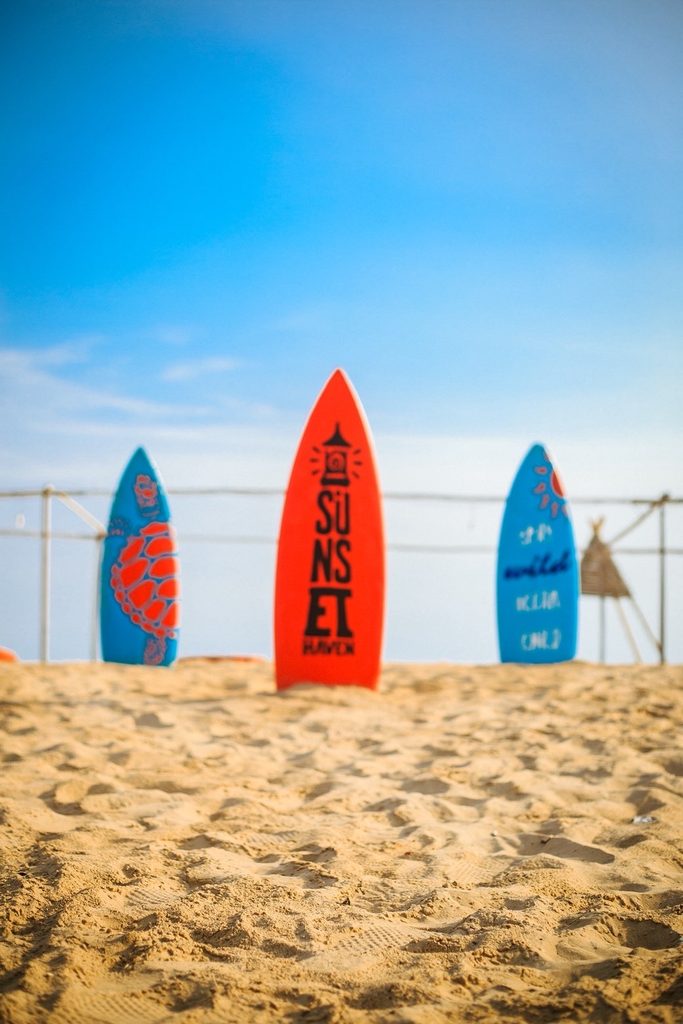
How are you marking the second anniversary, who do you most want to thank, and what does expanding beyond Lighthouse Beach look like for you?
What began as an idea has grown into a community, a hospitality experience and a business that has introduced many people to a different side of Lagos.
We are throwing a party on the 29th–30th of November. It’s themed “Community for Communities” to spotlight that Sunset Haven is not just a community but home to other communities, and to celebrate everyone who has been part of that journey, especially our team, my friends, the local community, partner communities, collaborators and, of course, every guest who has chosen to spend part of their time with us. Each has played a part in making Sunset Haven what it is today.
Looking beyond Lighthouse Beach and Tarkwa Bay, I see an opportunity to explore what eco-tourism and alternative hospitality can look like in other locations, which we are already actively working on. I’m interested in building experiences that are rooted in their environments, support local communities, and encourage people to reconnect with nature. I don’t want to replicate Sunset Haven everywhere; I want to take its philosophy and see how it translates to different places and communities.
Ultimately, I want Sunset Haven to become more than a beautiful place people visit in Lagos. I want it to contribute to a wider conversation about how we travel, how we rest and how we experience the places we visit with our communities.
Perhaps most importantly, I want us to keep growing without losing the reason we started.
A haven should always feel like a home, no matter how big it becomes.
Leave a Reply